Innate Immunity · Host–Pathogen · Granuloma · Cell Death
Intracellular bacteria invade the cells of our body in order to hide from other arms of the immune system. If these intracellular bacteria are able to overcome cell-autonomous immunity and replicate inside our cells, then the infected cell becomes irrevocably compromised and must be eliminated.
Several modes of regulated cell death, including pyroptosis, apoptosis, and necroptosis, can be used to eliminate cells that have become commandeered by pathogens. A major focus of our research is to understand how cells detect pathogens and then initiate these forms of cell death, and then how the bacteria are killed after the host cell dies. These forms of cell death can eliminate pathogens by themselves.
We have also discovered that pyroptosis works hand-in-hand with an innate immune granuloma response. Granulomas are defined by the organization of macrophages within an infected tissue. We study how innate immune granulomas form and successfully eradicate bacterial infections.
Red Pawn barriers prevent infection by environmental pathogens
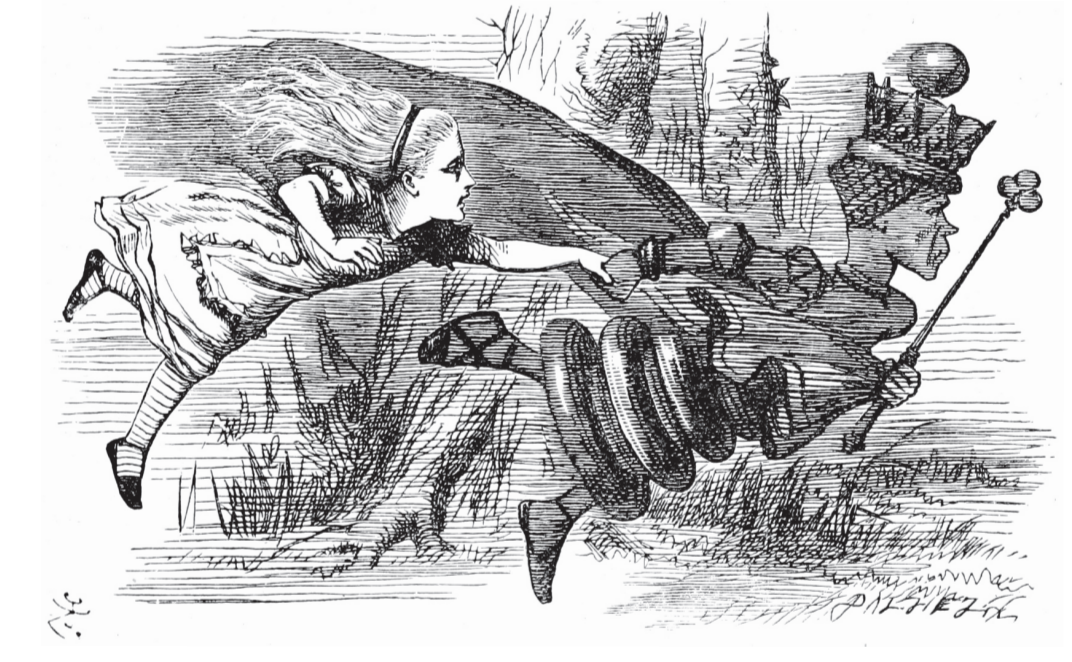
Pathogens are in constant evolution with their hosts. If a host evolves a new immune defense, the pathogen is under evolutionary pressure to evolve a countermeasure. This is the evolutionary Red Queen's race. The equilibrium at the host–pathogen interface is therefore stable. Intracellular pathogens successfully replicate inside our cells. If the host evolves a new defense, the pathogen will evolve a countermeasure and thereby continue to replicate in host cells. This makes it difficult to study innate immunity using human-adapted pathogens.
However, those pathogens that fail to evolve a countermeasure are rapidly cleared by innate immune defenses. Unimpeded pyroptosis eliminates would-be intracellular pathogens within a few hours after exposure. These environmental pathogens never cause symptoms in immunocompetent people because they are held at bay by Red Pawn barriers. In people with inborn mutations in innate defenses, Red Pawn barriers are lost and the deadly potential of environmental pathogens is revealed. By using environmental pathogens like Chromobacterium violaceum, Francisella philomiragia, and Burkholderia thailandensis, we are able to study innate immunity as it operates at peak efficiency — tools that have allowed us to make fundamental discoveries into how the innate immune system works.